Sixth Grade STEM Students Test Buoyancy with Aluminum Foil Boats 🚤⚖️
Floating Ideas in STEM.
Sixth grade STEM students at Chippewa Jr./Sr. High School explored the science of buoyancy by designing and testing aluminum foil boats. Through hands-on trials, students learned how weight distribution and standardized measurements impact scientific experiments.
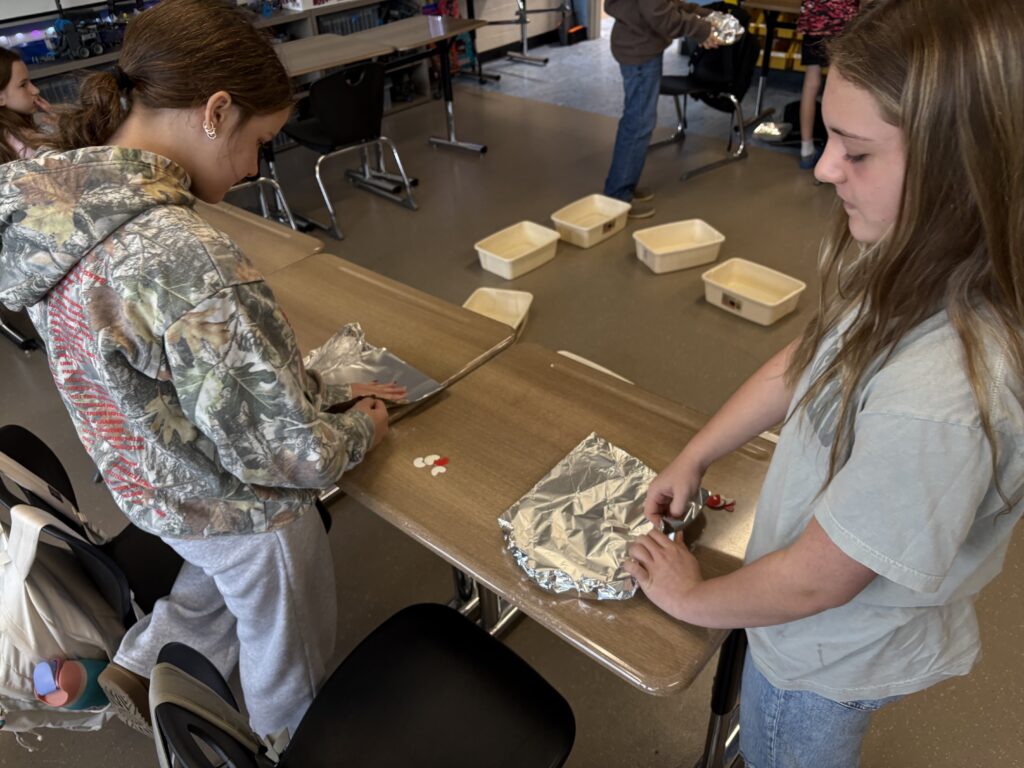
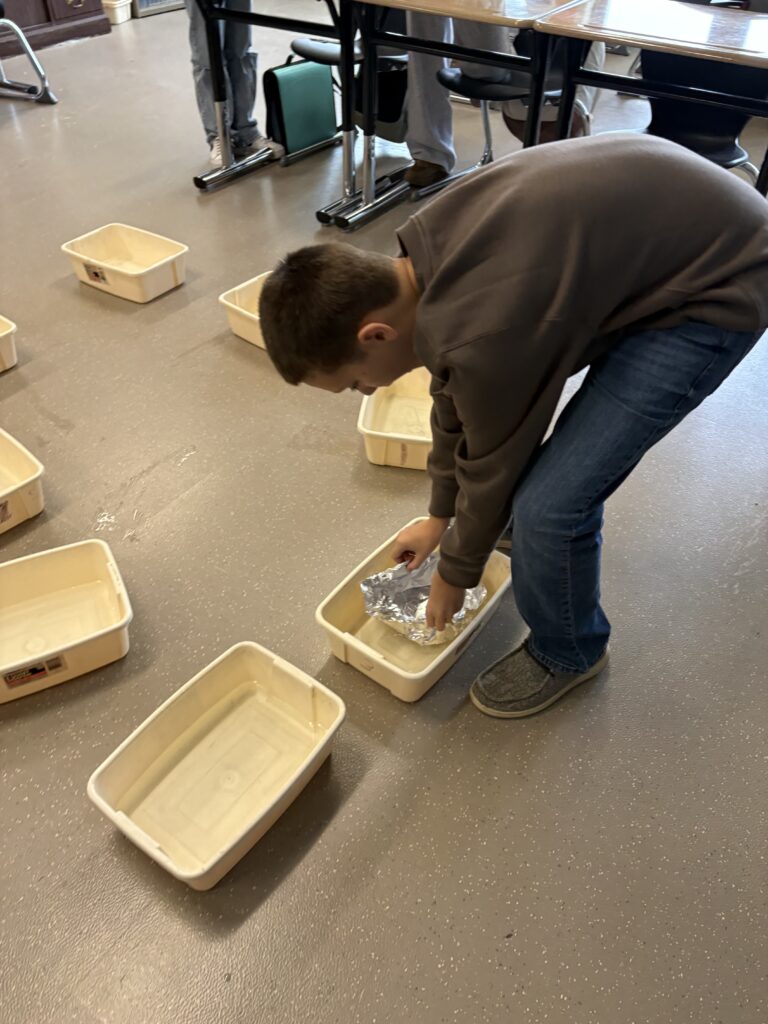
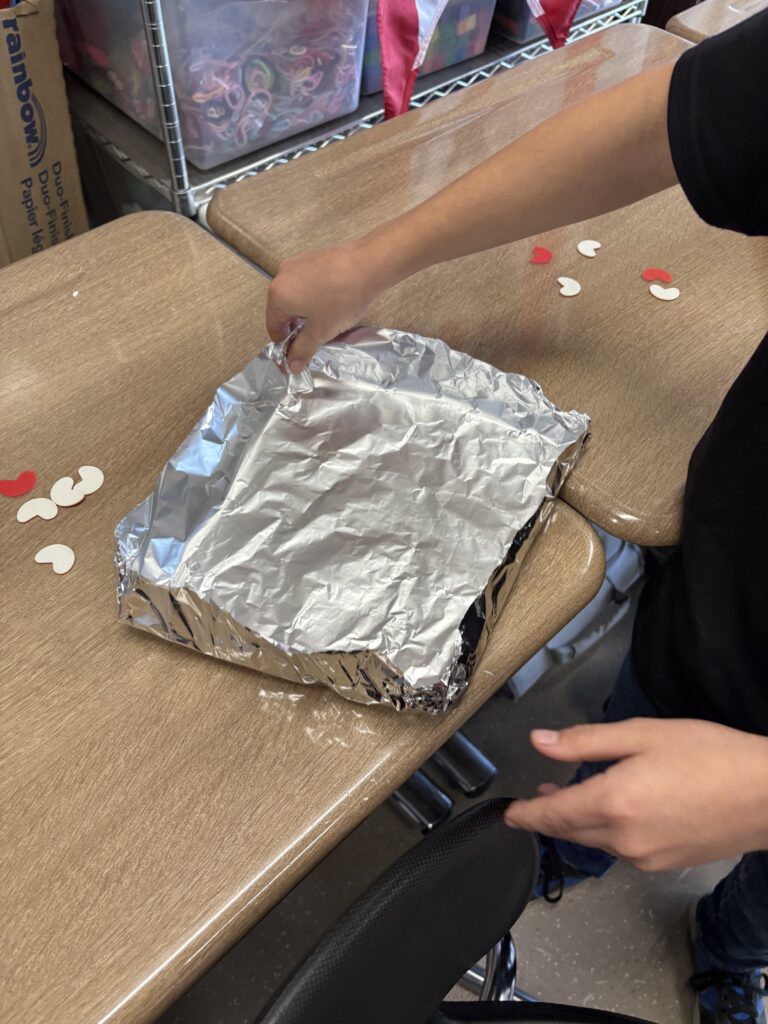
Hands-on engineering took center stage as sixth grade STEM students at Chippewa Jr./Sr. High School dove into the principles of buoyancy. Using simple sheets of aluminum foil, our Chipps designed and built custom boats to test how much cargo their vessels could support before taking on water.
Students carefully shaped hulls and balanced weight while adding chips one by one to measure maximum capacity. Along the way, the class discussed the importance of scientific controls, analyzing why standardized chip weights are essential for making fair and accurate comparisons across different boat designs.
Interactive experiments like this turn abstract physics concepts into memorable, real-world problem-solving experiences. By testing variables and evaluating data, students develop critical thinking habits and learn how engineers refine designs based on evidence.
The classroom buzzed with anticipation and friendly competition as boats floated or sank during each round of testing. Seeing our students hypothesize, troubleshoot, and celebrate successful designs highlights the curiosity and enthusiasm thriving in our STEM program.
Be sure to ask your sixth grader how many chips their foil boat managed to hold during the challenge. Stay tuned for more hands-on science and engineering updates from our classrooms this school year.